


Fluorination has been a trusted solution for protecting plastic packaging and preventing permeation for decades. At MJS Packaging, we have thoroughly covered this topic as it plays a crucial role in ensuring product integrity across various industries. With packaging materials, regulations and sustainability goals continuing to evolve, it is essential to reassess whether fluorination remains the best option or if an alternative barrier technology is a better fit. Gain insights into the latest fluorination updates and the many protective methods available today.
Fluorination Considerations
Are fluorinated containers right for you? While fluorination remains a viable method for enhancing the barrier properties of plastic containers, regulatory pressures and sustainability initiatives may have prompted companies to explore fluorination alternatives. Our goal is to help you evaluate your options and choose the most effective way to protect your product and packaging.
Business needs and concerns play an important role in selecting the right barrier. Whether you are looking to prevent bottle paneling, reduce chemical permeation or strengthen long-term stability, MJS Packaging can help guide your company toward the most appropriate method. These solutions support a wide range of industries, including flavors and fragrances, pesticides and herbicides, adhesives and additives, fuels and oils and many other solvent-based or oxygen-sensitive products.
When it comes to chemical packaging and industrial packaging, it’s imperative to find a barrier that caters to your product contents. By sharing your performance goals, shelf life expectations and regulatory requirements, we can help identify a barrier technology that supports both your product and your operational priorities.
Fluorination and Its Alternatives
Post-Mold Fluorination
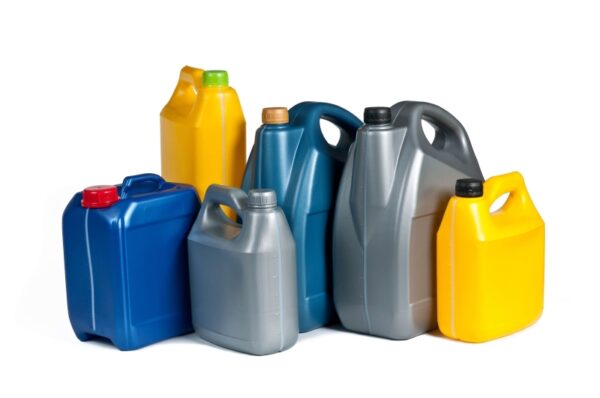
Post-mold fluorination remains one of the most common methods for protecting plastic packaging. This process involves taking a fully manufactured container and applying a fluorination treatment that modifies the surface. Different fluorination levels are available based on the chemical properties of your product, expected storage conditions and expiration date. Post-mold fluorination services can also support sustainability goals since certain barrier treatments can be used with containers made from PCR materials. This method offers flexibility and is often compatible with existing packaging formats.
In-Mold / In-Line Fluorination
In-mold fluorination creates a barrier layer during the manufacturing process of the container. Instead of fluorinating bottles after production, the treatment occurs in-line, which eliminates the need for an extra trip to a fluorination facility. This can reduce freight costs, shorten production timelines and streamline the overall supply chain. Similar to post-mold methods, in-line fluorination can maintain end-of-life recyclability, making it a strong option for both performance and sustainability. Contact us if you’re in need of fluorinated bottles.

EVOH Barrier Technology
EVOH, or ethylene vinyl alcohol, is an alternative in-mold barrier technology that provides strong resistance to oxygen and chemical permeation. EVOH layers help reinforce HDPE packaging and are widely used by brands that need consistent protection throughout the entire lifecycle of their product. Since this technology is integrated during manufacturing, it often leads to lower costs and faster lead times. EVOH packaging can be especially beneficial for products where oxygen exposure impacts stability or where solvent resistance is required.
Kortrax® Barrier Technology
Another option is the use of Kortrax barrier resin. Instead of a surface treatment, Kortrax is added directly into the resin blend during manufacturing. This creates a durable permeation barrier within the container’s structure itself. Kortrax packaging maintains full recyclability and supports a wide range of chemical products. A similar solution is Baritainers®’ barrier technology, which is preferred for hazardous liquids and can improve solvent permeation resistance by up to 300% compared to standard HDPE. Both options provide an effective alternative for brands seeking high performance without the need for fluorination.
Nylon Additive Barriers
Nylon-based additives provide another form of in-line barrier technology. By combining nylon with polyethylene, manufacturers can create a barrier that prevents solvents from escaping through the container walls. Since the material is incorporated during production, nylon packaging barriers can support efficiency and consistency across large order volumes.
Alternative Surface Coatings
In certain situations, specialty surface coatings can provide the necessary protection for your unique product. Plasma-based coatings, for example, can be applied to packaging surfaces to create a thin protective layer that serves as a gas and solvent barrier. Sharing details about your desired container and product contents helps us determine which type of surface coating is appropriate.
Trust MJS Packaging Solutions
Fluorination remains a vital barrier technology for many products, but it is no longer the only path available. Today, brands can choose from post-mold fluorination, in-line fluorination, EVOH barriers, additive barrier solutions and advanced surface coatings. Each method offers its own advantages related to performance, cost, sustainability and supply chain efficiency.
Regardless of the direction you are considering, it is essential to test your packaging with your specific product to confirm compatibility and ensure the barrier performs as expected. Our team is here to assist you in comparing options, understanding fluorination levels, evaluating alternative materials and identifying the right fit for your application.
If you have questions or would like support in selecting your next fluorinated packaging or barrier packaging solution, our knowledgeable packaging solutions specialists are ready to help. Start a Project with us today.

Leave a Reply