


Selling products online creates exciting opportunities, but it also brings unique challenges. One of the biggest hurdles is ensuring your product arrives safely at your customer’s doorstep. Damaged goods, leaks or broken packaging can quickly turn a positive shopping experience into frustration. This is why ecommerce packaging plays a vital role in customer satisfaction and brand trust.
Let’s focus on getting your bottle, jar, jug, or vial right. We discuss best practices for ecommerce packaging and highlight key Amazon guidelines that every seller should know, be it food and beverage, personal care, nutraceuticals, pharmaceuticals, household goods, or pet products. These insights will help you protect your product, meet compliance standards, and keep customers coming back.
Do I Need Special Product Packaging for Ecommerce?
Absolutely. The container you choose is the first line of defense for your product. It needs to look appealing and withstand the rigors of shipping.
Ask yourself these packaging questions:
- Is this the right material or resin for my product?
- Do the cap and liner provide proper leak protection?
- Would a shrink band or a full shrink sleeve add extra security?
- Is my sprayer designed to endure the shipping process?
Even if your packaging is sturdy, think about the full customer experience. Does your label include a QR code for easy reordering? Have you chosen protective packing (dunnage) materials like bubble mailers or corrugate inserts to cradle fragile items? At MJS Packaging, we work through these details with customers to ensure every element, from closure to label, supports safety and customer satisfaction.
Learn More From Our Podcast: Eye on Design with Nicole Coxford, Sprayco Consumer Products
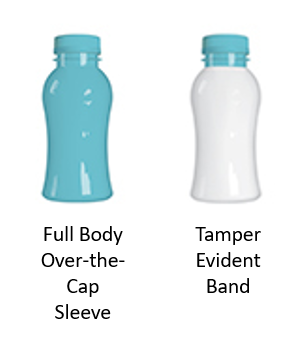
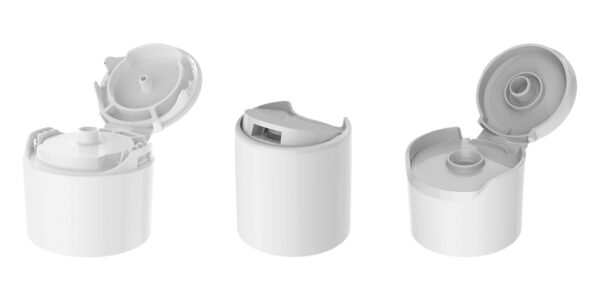
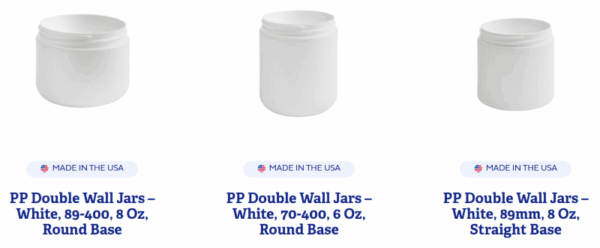
Planning ecommerce packaging helps to think beyond simply “getting it shipped.” Building a plan to avoid leaks, reduce returns and create a better unboxing experience is essential. Greg Clarke, Senior Account Executive at MJS Packaging, notes that while your container filling capacity remains unchanged for direct shipping to consumers, attention must be paid to “areas that are prone to leaking, such as a dispensing cap, a trigger sprayer, even a CT cap.” One solution is shipping the trigger separately or using ecommerce‑specific components, depending on brand preference and packaging budget. Shrink bands applied around the neck and cap add tamper evidence and prevent leaks. Full-body shrink sleeves provide an additional security layer while also increasing branding space. For products with continuous-spray triggers, shrink bands also serve a practical purpose by preventing accidental trigger activation during shipping. This was a critical consideration when MJS Packaging partnered with Killer Food Plots, whose packaging earned a Silver NACD Award. Shrink solutions helped ensure the product arrived intact while reinforcing a strong brand presence. Shrink packaging also directly connects to labeling strategy. Our webinar, “A Guide to Labels,” explores how labels and shrink packaging work together to deliver both safety and standout branding. Plastic packaging reduces weight, lowers shipping costs and is less likely to break than glass. Glass packaging, while heavier, offers premium aesthetics and shelf stability. Corrugate dividers or inserts coupled with bubble wrap or other dunnage can help glass survive transit without damage. Joyce Schaffer, Account Specialist at MJS Packaging, recommends using foil seal liners to reduce leakage risk. She also notes that taping caps, bagging items or wrapping tightly can add security. Amazon highlights induction heat seal liners as a particularly reliable solution. If shipping spray bottles with the trigger attached, closures should feature a ratchet finish to prevent loosening. Choose sprayers with on/off nozzles so they can be switched to the off position when shipping. Trigger sprayers, treatment pumps, and lotion pumps can feature locking mechanisms, which provide added protection in transit and improve child resistance. Amazon relies on International Safe Transit Association (ISTA) testing methods. Closures that are ISTA-6 compliant are built to handle ecommerce shipping. MJS Packaging also helps customers choose impact-resistant resins, thick-wall jars and right-weighted bottles to optimize durability while managing material use. Amazon’s fulfillment program (FBA) enforces strict packaging standards. Failing to meet these guidelines can lead to costly delays or even products being refused. Here’s an overview of the most important requirements every brand should know: It’s important to remember that Amazon updates its packaging policies frequently, so always review the latest guidelines before shipping. Programs, such as “Ships in Product Packaging” (SIPP), encourage sustainability by allowing vendors and FBA sellers to reduce material usage with recyclable options. For those using Fulfilled by Merchant (FBM), you control how products are packed and shipped. Staying informed not only keeps you compliant but also helps you take advantage of opportunities to improve efficiency and reduce costs. MJS Packaging is here to help you navigate these requirements and select packaging solutions that work for your product and your customers. Let’s find the right container, seal it properly and deliver a great unboxing experience. Start a project with us today to see how the right packaging can strengthen your ecommerce success.Tips for Ecommerce Product Packaging
Use Shrink Bands and Sleeves
Balance Plastic and Glass Choices
Add Extra Seal Protection
Secure Sprayers and Pumps
Test and Validate Closures
Know Amazon’s Product Packaging Requirements
Bagging Requirements
Loose and Case Pack Items
Fragile, Expiring and Specialty Products
Liquids, Creams and Cap Seal Rules
Hazardous Products and Dunnage
Durable Packaging: Essential For Ecommerce Success
Ecommerce packaging is more than compliance; it’s about protecting your product, satisfying your customer and supporting your brand’s reputation. From liners and closures to labels and box size, every decision affects how your product performs in transit.