


When you have a great product, it deserves packaging that supports the experience from the very first interaction. Missing the mark with your packaging can leave a lasting impression for the wrong reasons and ultimately leave revenue on the table. One of the most important elements of that first impression is how easy your product is to open and use.
As accessible packaging continues to move to the forefront of consumer expectations, brands must take a closer look at their caps and closures. Packaging should not create friction. It should create ease, confidence and a sense of control for every user. By focusing on ergonomic closures, companies can better serve a wider audience while strengthening their brand perception.
Let’s take a closer look at what accessible packaging means and explore ergonomic closure options that can elevate your packaging experience.
What is Accessible Packaging?
Accessible packaging is designed to be easier for all people to use. It offers meaningful advantages for individuals with limited dexterity or differing physical abilities, while also improving usability for the general population.
The demand for accessible packaging continues to grow. According to the Arthritis Foundation, 86 percent of consumers with arthritis and 76 percent of general consumers consider user-friendly packaging important when making purchasing decisions. More than half of consumers say they would switch brands or even pay more for products that are easier to use.
Accessible packaging is not just about meeting a need; it is about creating a better experience. When consumers can safely and easily access your product, it builds trust and satisfaction. Inclusive packaging is thoughtfully designed to remove barriers and provide a seamless interaction for a wide range of users.
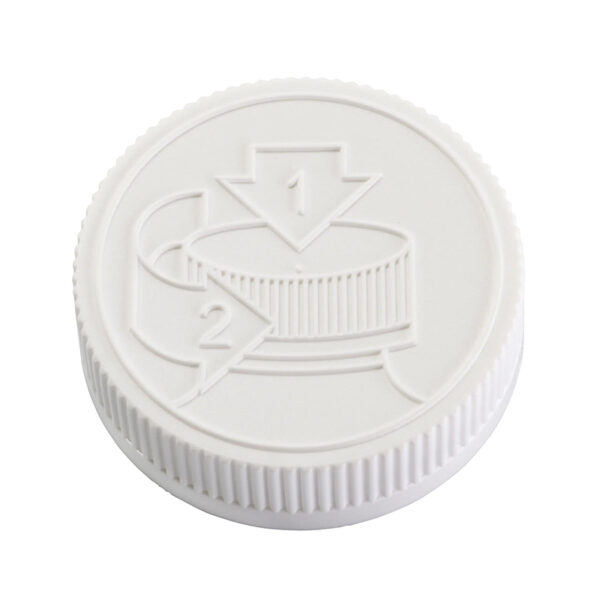
Why is accessible packaging needed? When packaging falls short, the impact can be immediate. If a customer struggles to open a container, frustration follows. This often leads to complaints, negative word of mouth and a reduced likelihood of repeat purchases.
What are the benefits of accessible packaging? Accessible packaging creates positive outcomes. It expands your audience reach, fosters positive emotional connections with your product and empowers individuals with differing abilities. Brands that prioritize accessibility often benefit from stronger customer loyalty, positive feedback and increased referrals.
Accessible Packaging Uses: Who Needs Accessible Packaging?
Accessible packaging benefits more people than many brands initially realize. While seniors are often the first group that comes to mind, the need extends well beyond age alone.
Limited Strength & Dexterity
Limited strength and dexterity affect a broad range of consumers. Our partner Dawn Nowicki, VP of Marketing and ESG at MRP Solutions, shares that senior-friendly packaging is accessible for adults with reduced strength, dexterity issues, chronic pain or arthritis. Designing for accessibility ultimately improves usability for everyone. Listen to our podcast for in-depth guidance and recommendations.
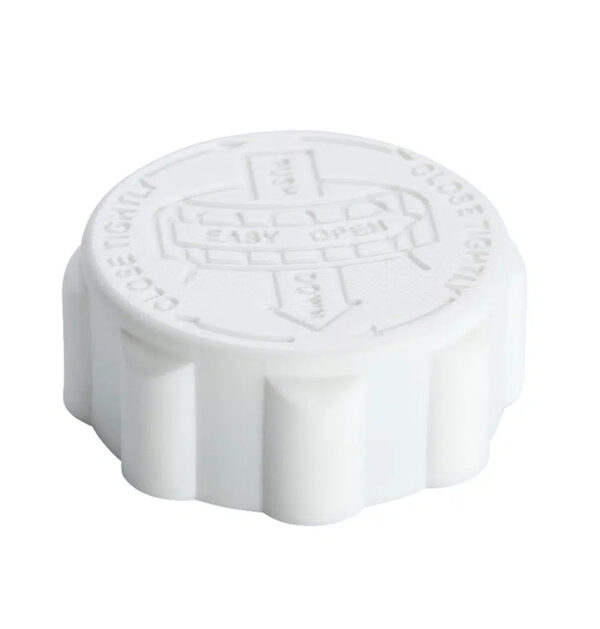
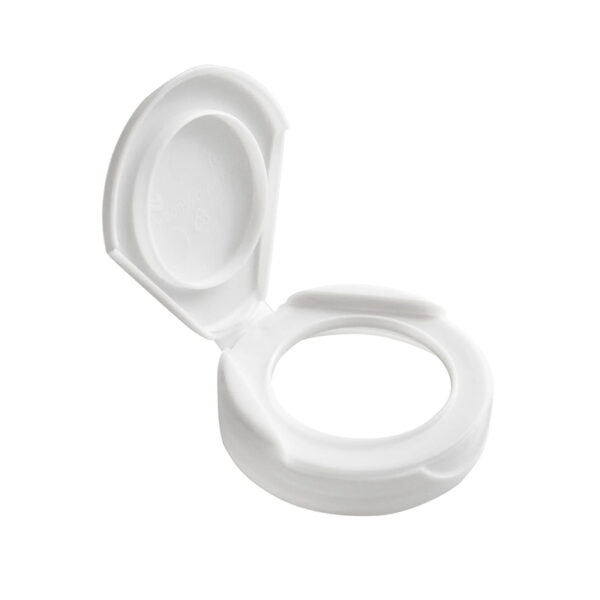
One of the first considerations is packaging format. The overall design, including secondary components, plays a significant role in usability. Features such as shrink bands or overly complicated seals can create unnecessary difficulty. Simplifying these elements can create a smoother, more intuitive opening experience. Senior-friendly design must also align with regulatory standards. The Consumer Product Safety Commission (CPSC) outlines requirements for child-resistant packaging, but these packages must still be accessible to seniors. Poison prevention packaging standards require testing for special packaging, with a target success rate of at least 90 percent for Senior Adult Use Effectiveness. Striking the right balance between safety and usability is critical. Closure diameter is another key factor. A cap that is too small can cause discomfort and require additional force to open. A cap that is too large can be difficult to grip securely. The MJS Packaging team can help guide these decisions based on your product and audience. Grip also plays a major role in accessibility. Closures with ribbed or textured surfaces provide better traction and make opening easier. In some cases, softer materials, such as silicone material, can offer improved grip while maintaining ease of use. Ease of opening should always be a priority. Caps that allow for single-handed operation can significantly improve usability. Flip-top caps with built-in indentations or custom enhancements are strong options for creating a more convenient experience. Equally important is the ability to close the package easily. A great example is Tilt’s lipstick packaging, which uses a magnetic closure and has received the Arthritis Foundation’s Ease of Use® certification. This thoughtful design ensures the experience remains consistent from opening to closing. There are also additional ergonomic considerations that can further improve accessibility. The Arthritis Foundation recommends that if a package is designed to be held in one hand, it should ideally weigh less than five pounds. The grip span should be no more than 2.5 inches to ensure comfortable handling. Sharp edges should be avoided in favor of smooth, rounded surfaces that feel natural in the hand. Visual accessibility is another important aspect. Consumers with low vision or blindness face different challenges when interacting with packaging. For those with reduced vision, labels should use large text and high-contrast color combinations to improve readability. For individuals who are blind, features such as embossed braille on closures can communicate essential product information or usage instructions. Accessible packaging is no longer a niche consideration. It is an essential part of delivering a product experience that meets today’s consumer expectations. Every detail contributes to how your product is perceived and used. Ergonomic closures play a central role in making packaging more accessible. When designed thoughtfully, they reduce frustration and improve usability. At MJS Packaging, we offer a wide range of ergonomic closure solutions to help you achieve your packaging goals. Whether you are looking for stock options or exploring a custom cap design, our team is here to help you find the right fit for your product. Start a project with us today and take the next step toward packaging that works for everyone.
Accessible Packaging Features
Visual Impairment
Work with Experts On Your Next Accessible Packaging Project

Leave a Reply