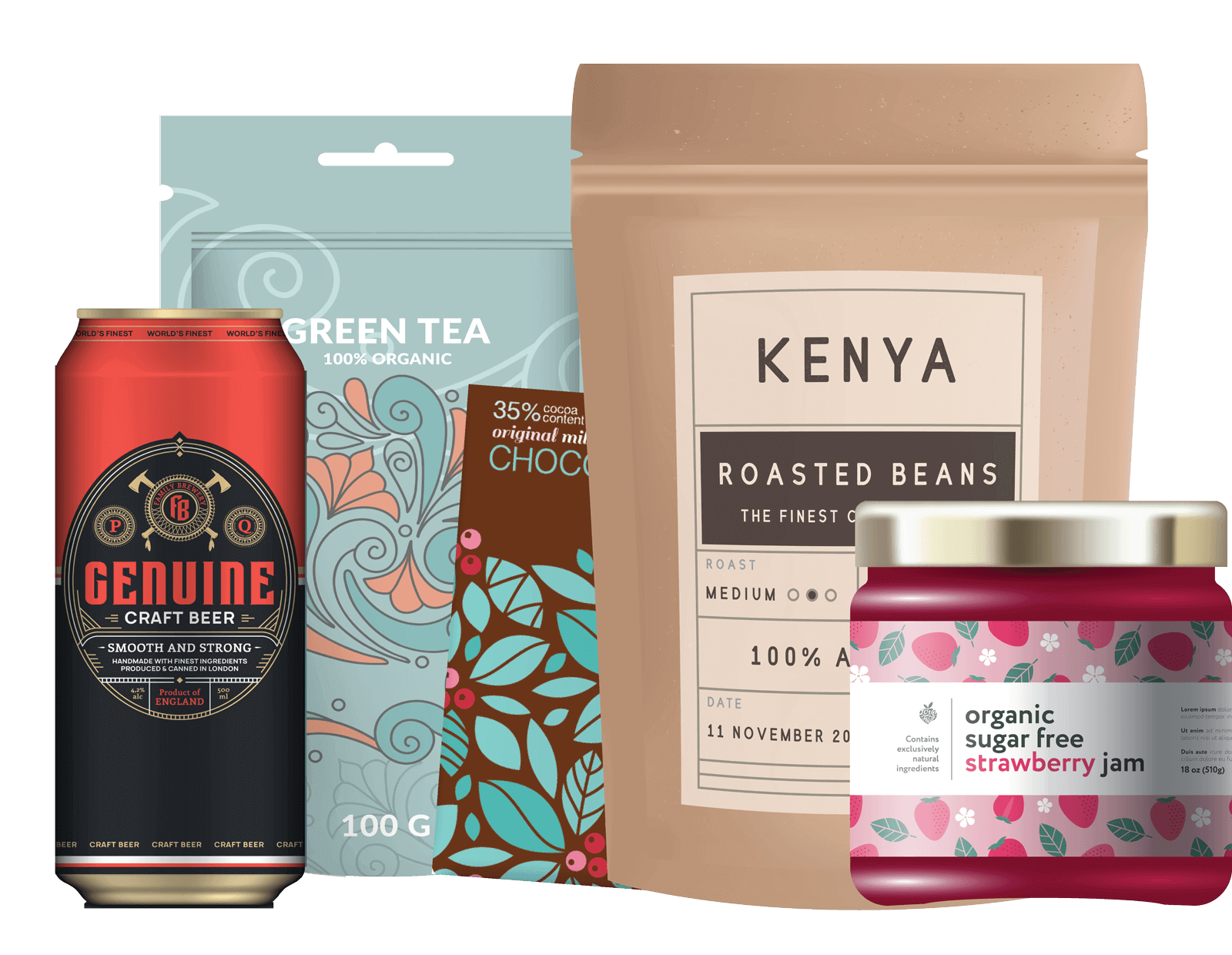


Plastic bottles have been in use for the best part of 30 years. They first began as multi-layer extrusion, blow-molded PP bottles that had an EVOH barrier. The PET plastic bottles then came into use, followed by the popular HDPE form of plastic. Glass, on the other hand, has been around for centuries, having been used in a variety of ways, including in packaging consumable liquids.
Learn More From Our Podcast: A Focus on Hot Fill with Aaron Edelen, MJS Packaging
There are many bottles on the market that come in various shapes, sizes, and materials. These also vary in their costs. As a result, your choice of technologies to fill them can set you up for potential success, or failure, in your customer’s eyes. However, are you aware of technology that allows for extended shelf lives for your bottles? Introducing hot fill packaging. Hot fill packaging has been very popular in today’s beverage industry for a variety of reasons. Using PET bottles, hot fill packaging provides longer shelf lives if you’re a manufacturer of How does the hot fill process help you? In addition to giving you an advantage against other drink manufacturers, this process enables longer shelf lives. It can handle shorter product runs if you need these. It is also ideal for those products when a reliable pasteurizing process is needed. Is there an alternative process? Yes, but the well-known aseptic filling is much more complex and quite costly. How does the hot filling process work? Hot fill packaging typically works with PET packaging. You’ll be working with your highly acidic Generally, high acid sensitive products can contain molds, yeasts, and acid-tolerant bacteria. These can spoil your package’s contents. Failing to remove any of these microorganisms can show you in a negative light, especially from marketing and customer standpoints. Your bottles are hot filled and capped, and turned onto their sides to sterilize their caps. Doing so will kill any other organisms that may still exist. Your bottles are then rapidly cooled with water. This must be done in order to preserve your products’ taste and nutritional properties. This is especially important for such products as juices. How do you know what your bottles’ shelf life will be? This is determined by the amount of the oxygen barrier and the size and type of the bottle and storage conditions. The result that you receive is far less expensive than the the aseptic process. As a result of this entire hot fill packaging process, the bottles have extended shelf lives of 6 to 12 months. The benefits of hot filling packaging When you control the microbiological part of the hot fill packaging, you can realize cost savings in your manufacturing. Hot filling is far more economical and a simpler process when compared to aseptic technology. If you have considered aseptic packaging technology, you will find that you’ll need a much larger capital investment. Hot fill packaging provides a wide range of benefits. Among them are: In fact, certain sizes of bottles can result in reductions of greenhouse emissions of some 61.4 percent when compared to glass. Why not consider housing your product in bottles made using the hot fill packaging technology? Hot fill packaging can get you noticed, particularly when there are many products that look identical to one another on the shelves. Choosing the right hot fill packaging for your products can be difficult and vital to your branding. MJS Packaging offers the best customer service and lowest prices for your product packaging. We have exclusive access to manufacturers from all around the world, so we can advise you on the best bottles, tubes, closures, caps, and other packaging needs you require.What is hot fill packaging?