

Welcome to Part 2 of 2026 Skincare & Beauty Packaging Trends that are key for brands to uncover this year. If you missed the first half, head over to Part 1. Let’s unlock more about sustainable packaging, purchase drivers, and top product trends in the marketplace.
The Current State of Cosmetic Packaging Sustainability
Sustainability is still one of the top forces shaping cosmetic packaging decisions… but the path forward is nuanced. While consumers crave clean beauty, actual adoption of sustainable packaging has its challenges. In the U.S., Mintel sites the roadblocks to progress as a weak recycling infrastructure and growing consumer fatigue around sustainability claims.
What’s working? Refillable format launches experienced 7% growth between 2022 and 2024, and fragrance saw sustainable packaging launches increase at 80%. MJS Packaging is proud to offer refillable fragrance spray options to help brands capture this momentum.
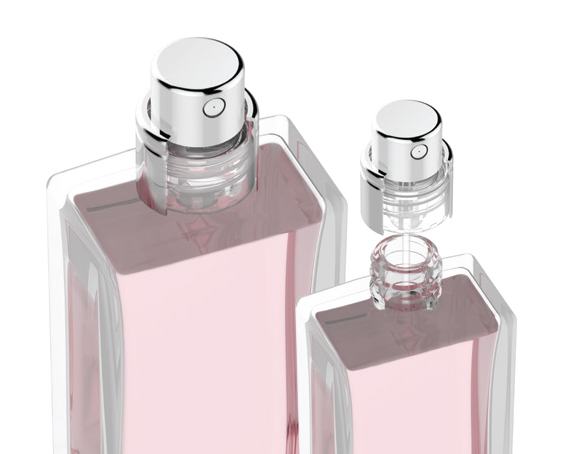
Refillable Perfume Spray
Real-World Examples of Refill Packaging
Leading brands are finding creative ways to make refill systems work for consumers. L’Oréal Professional offers shampoo bottles paired with flexible spouted pouches for at-home refilling, and Kiehl’s produces pouches that reduce plastic use by up to 81%. Nu Skin’s Tru Face® Peptide Retinol Complex is packaged in a mono-material pump system with a refill cartridge made from 100% recycled materials.
Common refill formats include aluminum bottles, refillable deodorant sticks and at-home refill systems using stand-up pouches. Ask MJS Packaging about our flexible packaging stand-up pouches and refillable deodorant stick options.
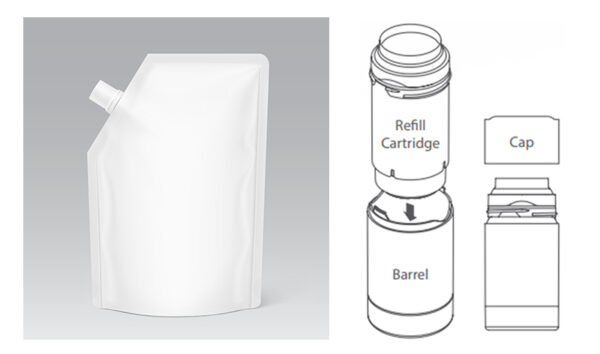
Spouted Stand-up Pouch and Refillable Deodorant Stick
Current Impacts on Cosmetic Packaging Purchases
Understanding what motivates consumers to choose one product over another is essential for brands looking to compete effectively. According to Mintel, five key factors are currently shaping cosmetic packaging purchase decisions.:
Price Sensitivity: In the U.S., over 50% of beauty and personal care shoppers have opted for lower prices over packaging quality. Despite this stat, we are still seeing shoppers that desire packaging with functional value.
Convenience: Another top purchase factor is convenience. Consumers want packaging that is easy to use and bring with them.
Hygiene: In the wake of COVID-19, the preference for hygienic options that minimize contamination is still being felt. Favored packaging choices include stick formats, roller balls and airless pumps.
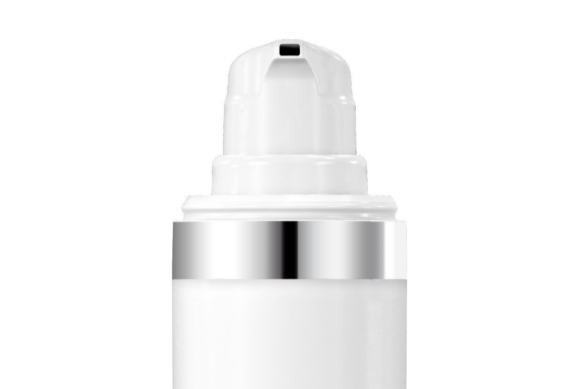
Airless Dispensing Pump
Visual Appeal: Over 50% of makeup and fragrance shoppers in the U.S. pay close attention to the look and feel of packaging. Brands are responding with bold colors, textured finishing and retro designs that cater to exciting unboxing and social media shareability.
Emotional Branding: Packaging is seeing success as a storytelling tool to relay your company mission and history, and create emotional resonance. Packaging that focuses on personalization or nostalgia helps brands relate to consumers and forge a connection.
Top Beauty & Skincare Trends and Ingredients
In a landscape driven by TikTok trends and podcast culture, ingredient-first, benefit-focused products continue to dominate. Here are the key 2026 skincare ingredients and personal care product trends that brands and manufacturers should pay attention to.
Amino Acids Ascension
Amino acids are poised to be one of this year’s defining skincare ingredients. According to Who What Wear, amino acids are appearing in an increasing number of skincare launches, valued for their ability to support skin strength, hydration and repair. Amino acids and peptides continue to be eye-catching ingredients for your packaging labels.
Collagen Craze
Consumer fascination with collagen is not going away, as it supports skin elasticity and reduction of wrinkles. As noted by WGSN, the hottest regenerative ingredient trend involves PDRN (polydeoxyribonucleotide), showing up in serums, eye creams and more. This bioactive ingredient helps stimulate the body’s own collagen production.
GLP-1 & Procedural Skincare
The GLP-1 (glucagon-like peptide-1) wave is creating an entirely new skincare opportunity to support users of weight loss drugs like Ozempic®. Women’s Health looks closer at how skincare solutions can target secondary effects of weight-loss medications, like dryness, sagging and reduced elasticity. Manufacturing and positioning serums and moisturizers toward GLP-1 users is a smart move for 2026. It would also be wise to develop pre-procedure and post-procedure skincare lines targeting aesthetic treatments and the cosmetic surgery secondary market. Peptide and regenerative products nicely complement sculpting and laser appointments.
Fauxzempic: The Sculpting Countertrend
On the flip side of the GLP-1 trend, a growing segment of consumers is seeking sculpting and lifting results without injections or medication. WGSN finds that lymphatic-drainage creams, de-bloating serums and skin-tightening formulas are gaining real traction with the wellness-first, pharma-hesitant consumer. Brands like Gente, Love Wellness, Transparent Lab, U Beauty and Estée Lauder are already capturing this audience with targeted sculpting and contouring solutions.
Continued K-Beauty Hype
K-Beauty continues to shape global skincare, with its focus on gentle, hydration-first routines that strengthen the skin barrier. As reported by Allure, niacinamide, green tea, hyaluronic acid and Centella asiatica (a.k.a. cica) are powerful ingredients to include in your skincare products. Cleansers, retinol creams and serums are in demand. Brands taking a barrier-first approach are winning.
Multi-Functional Beauty & Skincare
Consumers are seeking products that offer more than one purpose, according to Global Cosmetic Industry. The fusion of skincare with built-in SPF is big. Sun care is becoming an expected component of daily routines. Brands that allow users to multi-task in their beauty routine will capture consumers looking to buy one effective product rather than spend on multiple items.
NAD: The Longevity Coenzyme
NAD (nicotinamide-adenine dinucleotide) is a coenzyme in the body essential for cellular energy production and DNA repair. Because NAD production begins declining in a person’s twenties, supplementing it has become a focal point for longevity-minded consumers. As Allure reports, NAD therapy via NAD+, NADH or NMN supplements could increase energy, improve immunity, and target anti-aging.
Menopause Support Products
As the conversation around perimenopause and menopause becomes more open and destigmatized, a powerful product opportunity is emerging. According to GCI Magazine, this audience experiences a decline in estrogen, resulting in reduction of collagen and hyaluronic acid levels. Manufacturers should consider offering solution-focused products to this audience that target lines and wrinkles, loss of elasticity, dry skin and uneven skin tone.
How MJS Packaging Can Support Your 2026 Go-to-Market Strategy
The beauty and skincare industry is evolving. In 2026, brands that stay curious and responsive will find real opportunity. Consumers are asking smarter questions. They’re reading ingredient lists, comparing value, paying attention to sustainability and expecting packaging to work seamlessly within their routines.
Refillable pouches, mini fragrance sprays, airless dispensers and precision dropper bottles aren’t just packaging components; they’re tools to support how today’s consumers use beauty products. When packaging reinforces convenience, value and authenticity, it becomes part of the product’s success.
At MJS Packaging, we work alongside beauty, skincare and personal care brands to bring these ideas to life. From custom cosmetic packaging and dazzling finishes to refillable and post-consumer recycled (PCR) bottles and jars, our team helps brands turn strategy into tangible outcomes. Ready to package for what’s next? Contact MJS Packaging today and let’s build something worth opening.