

Skincare trends are being driven by more than aesthetics. Consumers are value-conscious, ingredient-savvy, sustainability-aware and increasingly performance-focused. For beauty and personal care product manufacturers, this creates both pressure and opportunity.
We’ll break down the top skincare trends shaping product development and beauty packaging in 2026, from biotech formulations and longevity-focused ingredients to refillable fragrance sprays, airless dispensers and ergonomic design.
The State of the Beauty & Personal Care Industry
The global Beauty & Personal Care market is projected to generate $703.31 billion in revenue in 2026, with an expected annual growth rate of 3.24% (CAGR 2026–2030, according to Statista. The United States continues to lead the world in revenue generation within this market. The Skin Care segment alone is projected to reach $206.60 billion in worldwide revenue in 2026, a powerful signal for brands, contract manufacturers and packaging partners looking to capture market share.
Despite this robust expansion, the market is evolving under real pressure. According to Circana, inflationary forces have increased shoppers’ price-sensitivity. For consumers, value is trumping brand loyalty, prompting them to find effective alternatives without premium price tags.
The rise of “dupes,” duplicate products at lower prices, illustrates this shift clearly. For brands, the takeaway isn’t to race to the bottom on price. It’s to communicate authenticity, efficacy and ingredient-backed benefits in a way that feels tangible and trustworthy.
Overarching Themes for 2026
The brands positioned to win aren’t just launching new products; they’re aligning their formulations and packaging with how consumers actually live. That means delivering solutions that are sustainable, ingredient-forward, ergonomic and thoughtfully designed for real-world routines. Packaging isn’t an afterthought; it’s part of the performance story.
On the formulation side, several powerful movements are gaining momentum. K-Beauty continues to influence global routines. Biotechnology and science-backed skincare are appealing to results-driven consumers seeking clinically-proven ingredients. Plant-derived, biobased and botanical are emerging as defining buzzwords in the beauty industry.
Skin longevity is shifting the conversation from short-term fixes to proactive, long-game skin health. And biohacking and anti-aging innovations are pushing products deeper into cellular-level performance. There is a real focus on regenerative skincare. According to Women’s Health Magazine, targeting cellular-level mechanisms like senescence, sirtuins and amino acids improves skin longevity.
Beauty & Skincare Packaging Trends for 2026
Since today’s beauty and skincare consumers are gravitating toward clean, sustainable formulas made with ethically-sourced ingredients, their packaging needs to reflect those same priorities. Here are the key packaging trends brands should be watching closely.
Sustainability-First Formats
Plastic continues to be a favorite packaging choice due to its affordability, but the cosmetics packaging market is steadily evolving. According to Mintel, brands are increasingly exploring glass, aluminum and next-generation paper-based materials as they respond to sustainability expectations. For brands planning long-term strategies, this signals an opportunity to design refill-ready, durable formats.
Wearable Packaging
Gen Z consumers view beauty as an extension of identity and self-expression. Packaging that integrates into daily life is gaining momentum. Rhode’s award-winning lip case, designed as an iPhone case that holds lip treatments and tints, demonstrates how packaging can evolve into an accessory. Noyz has taken a similar approach with its Detour fragrance, which doubles as a bag charm.
According to Innova Market Insights, wearability, convenience and accessorization are becoming essential design considerations for brands targeting younger consumers. When packaging becomes part of someone’s lifestyle, it increases visibility, frequency of use and brand affinity.
Going Mini
Mini formats continue to perform. Travel-size fragrances and discovery sets are thriving as consumers look to experiment before committing to full-size purchases. Sample size perfumes support the growing trend of scent stacking, allowing users to layer fragrances and personalize their experience. MJS Packaging supports this trend with on-the-go sample sizes and mini packaging solutions.
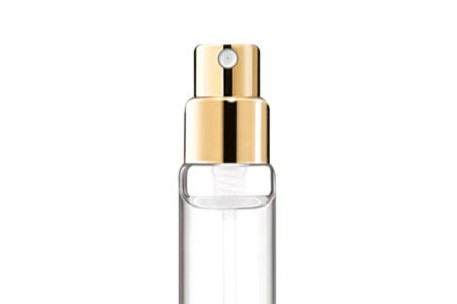
Refillable Mini Fragrance Spray
Sensory & Textured Packaging
In a crowded retail environment, how a product feels can be just as important as how it looks. From metal accents and fabrics to wood textures and marble-inspired finishes, tactile design is becoming a defining element in beauty packaging. Multisensory packaging creates emotional resonance and elevates the unboxing experience. As WGSN notes, sensory design strengthens emotional connection and brand recall by engaging touch alongside sight.
Ergonomics & Ease
Ease of use should be considered to meet consumers where they are. Rare Beauty is frequently cited as a leader in accessibility-forward design, with packaging that accommodates limited dexterity.
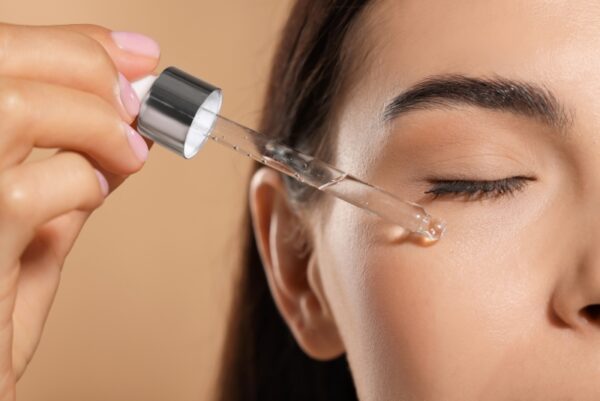
MJS Packaging offers dispensers, applicators and closures with ergonomics in mind, helping brands deliver packaging that performs. We even won an award for this innovative, new skincare product in the personal care market. Another new area where we can deliver on ease of use features dropper bottles with automatic filling. It also reduces contamination, automatically filling the dropper when you open the bottle.
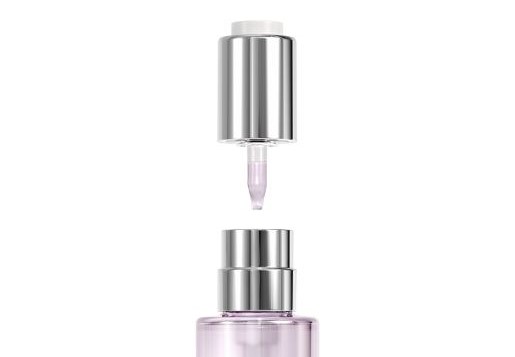
Dropper Bottle with Automatic Filling
This concludes Part 1 of our blog on 2026 Skincare & Beauty Packaging Trends. Head over to Part 2 for continued insights (like ingredient-focused trends)! Please don’t hesitate to contact MJS Packaging with any questions.